Cybersecurity Requirements for Financial Services in South Carolina

Adam Quan is the President of Columbia IT Solutions, an award-winning provider of managed IT services to over 200 businesses and nonprofits in the Southeast.
Financial service firms in Columbia, SC, face a unique and evolving landscape of cybersecurity threats and regulatory demands. Protecting sensitive client data and maintaining operational integrity are paramount for trust and compliance. Companies must understand and implement robust cybersecurity measures to safeguard their assets and adhere to strict industry regulations.
Understanding the Regulatory Landscape for Financial Cybersecurity
The financial sector operates under stringent regulations designed to protect consumer data and ensure the stability of the financial system. These regulations are complex and often overlap, requiring a comprehensive approach to IT security Columbia firms must adopt. Key frameworks include federal mandates like GLBA and state-specific rules that impact South Carolina businesses.
Gramm-Leach-Bliley Act (GLBA) Compliance
The Gramm-Leach-Bliley Act (GLBA) is a federal law that requires financial institutions to explain their information-sharing practices to customers and to protect sensitive data. This includes banks, credit unions, insurance companies, and even some non-bank mortgage lenders and financial advisors. GLBA mandates a comprehensive security program to protect customer nonpublic personal information.
Furthermore, GLBA’s Safeguards Rule requires financial institutions to develop, implement, and maintain an information security program. This program should include administrative, technical, and physical safeguards. Maintaining compliance is not a one-time task; it requires continuous vigilance and adaptation.
State-Specific Regulations and Industry Best Practices
While GLBA sets the federal baseline, financial firms in South Carolina must also consider state-level requirements and prevailing industry best practices. These often reinforce and expand upon federal guidelines, addressing specific local threats or technological advancements. Adopting a strong cybersecurity posture goes beyond mere compliance; it builds client trust and protects your firm’s reputation.
For example, South Carolina businesses must also be aware of data breach notification laws. These laws dictate how and when firms must inform affected individuals and regulators in the event of a security incident. IT strategy for mid-sized businesses in this sector often includes dedicated plans for incident response.
Common Cybersecurity Threats Facing Financial Institutions
Financial firms are prime targets for cyber criminals due to the valuable data they possess. Therefore, understanding the common threats is the first step toward effective defense. Cybersecurity threats in Columbia are diverse, ranging from sophisticated hacking attempts to human error.
Phishing and Social Engineering Attacks
Phishing remains one of the most prevalent and effective attack vectors. Cybercriminals use deceptive emails, texts, or calls to trick employees into revealing sensitive information or clicking malicious links. These attacks are becoming increasingly sophisticated, often impersonating trusted contacts or governmental bodies. Strong email security is crucial to defend against these tactics.
Similarly, social engineering leverages psychological manipulation to gain unauthorized access to systems or data. Untrained employees increase cyber risk significantly. Regular employee training on recognizing and reporting these threats is indispensable.
Ransomware and Malware
Ransomware attacks involve encrypting a firm’s data and demanding payment for its release, while other malware types can silently steal data, disrupt operations, or provide backdoors for future attacks. These threats can cripple operations and lead to significant financial losses and reputational damage. Proactive measures are necessary.How to prevent cybersecurity threats involves a multi-layered approach.
Insider Threats
Not all threats come from external sources. Insider threats, whether malicious or accidental, can also compromise data security. Employees with access to sensitive systems or data can inadvertently or intentionally cause breaches. Robust access controls and monitoring protocols are essential to mitigate this risk. Clear technology policies should be implemented.
Searching for Specialized Financial IT Services?
Ensure your Columbia, SC, financial firm is secure and compliant with expert managed IT services. Our team understands the unique needs and regulatory landscape of the financial sector.
Key Cybersecurity Measures for Financial Service Firms
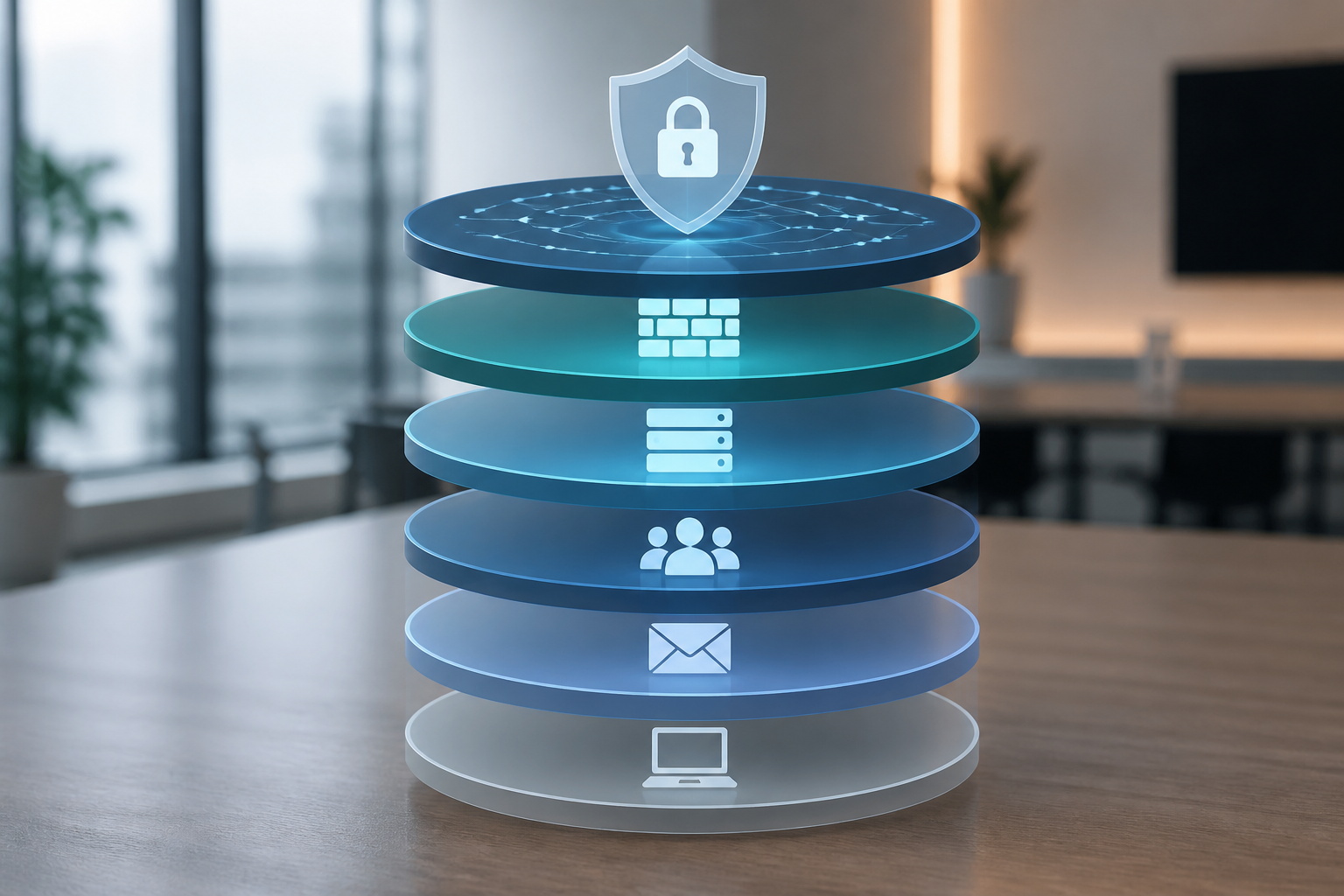
Implementing a robust cybersecurity framework requires a strategic and continuous effort. Financial firms need a layered defense approach, integrating technology, processes, and people. Therefore, comprehensive IT services in Columbia can provide this necessary support.
Data Encryption and Access Controls
Encrypting all sensitive data, both in transit and at rest, is a fundamental security measure. This ensures that even if data is intercepted, it remains unreadable. Furthermore, strict access controls regulate who can access specific data and systems, based on the principle of least privilege. This means users only have access to the resources absolutely necessary for their job functions.
Implementing strong password access management with multi-factor authentication (MFA) adds another critical layer of security. MFA significantly reduces the risk of unauthorized access even if passwords are stolen.
Regular Security Audits and Vulnerability Assessments
Consistent security audits and vulnerability assessments are vital for identifying weaknesses before they can be exploited. These evaluations help firms understand their security posture and address potential gaps. Regular reviews improve long-term IT planning and response capabilities.
An IT consultation in Columbia, SC, can help financial firms schedule and interpret these critical assessments. This proactive approach is fundamental to maintaining a secure environment and ensuring regulatory compliance.
Employee Training and Awareness Programs
Technology alone cannot provide complete security. Employees are often the first line of defense, but also the weakest link if untrained. Comprehensive cybersecurity training programs are essential to educate staff on recognizing threats like phishing, understanding safe data handling practices, and adhering to security policies. These programs should be ongoing, addressing new threats as they emerge. Clear cyber guidelines for small teams are especially important.
The Financial Services Information Sharing and Analysis Center (FS-ISAC) provides valuable resources and intelligence for financial firms to stay informed about emerging threats. You can learn more about their efforts to enhance cybersecurity across the financial sector on their official website.
The Role of Managed IT Services in Financial Cybersecurity
For many financial firms, especially small to mid-sized businesses, managing a comprehensive in-house cybersecurity program can be overwhelming and costly. Managed IT services offer a practical and effective solution. Our team provides specialized expertise and continuous support.

24/7 Monitoring and Threat Detection
Managed IT providers offer continuous 24/7 IT monitoring in Columbia, SC, detecting and responding to threats as they happen. This proactive approach minimizes downtime and prevents small incidents from escalating into major breaches. Therefore, constant vigilance is key for financial data protection.
This includes real-time analysis of network traffic, system logs, and endpoints for suspicious activities. Furthermore, this immediate detection allows for rapid containment and remediation of potential threats, greatly reducing their impact. Proactive IT monitoring is invaluable.
Compliance Management and Reporting
Navigating the complex regulatory landscape, including GLBA and state-specific requirements, is a core service provided by managed IT firms specializing in IT services for financial services. They help ensure your firm meets all necessary standards and can provide essential documentation for audits. Ultimately, this eases the burden on your internal staff.
We work to ensure that your IT infrastructure and practices align with compliance mandates, including regular reporting and policy enforcement. This allows your financial institution to focus on its core business, confident in its cybersecurity posture.
Disaster Recovery and Business Continuity
Even with the best cybersecurity measures, incidents can still occur. A robust disaster recovery and business continuity plan is critical for financial firms. Managed IT services can design and implement these plans, ensuring that your operations can quickly resume after a cyberattack, natural disaster, or other disruptive event. Consequently, this minimizes potential losses.
This includes regular data backups, offsite storage, and rapid restoration capabilities. Our goal is to ensure your critical systems and data are always available, even under adverse circumstances. Data backup and recovery strategies are customized for your specific needs.
Conclusion
Cybersecurity for financial services in South Carolina is not just an IT concern; it’s a fundamental business imperative. Adhering to regulations like GLBA, safeguarding against prevalent threats, and implementing best practices are crucial for protecting client data and maintaining trust. Partnering with a specialized managed IT services provider can offer the expertise, tools, and continuous support needed to navigate this complex environment successfully. Ensure your Columbia, SC, financial firm is secure, compliant, and resilient in the face of evolving cyber threats.
Frequently Asked Questions
What is GLBA compliance for financial institutions?
GLBA compliance requires financial institutions to protect customers’ nonpublic personal information. This involves developing, implementing, and maintaining a comprehensive information security program with administrative, technical, and physical safeguards. Its primary purpose is to ensure the confidentiality and integrity of sensitive financial data.
How often should financial firms train employees on cybersecurity?
Financial firms should conduct cybersecurity training for employees at least annually, and preferably more frequently, especially when new threats emerge or new technologies are introduced. Regular, engaging training helps employees stay current on best practices for identifying and preventing phishing, malware, and social engineering attacks.
Can small financial firms afford comprehensive cybersecurity?
Yes, small financial firms can achieve comprehensive cybersecurity by partnering with a managed IT services provider. Outsourcing allows access to enterprise-grade tools, expertise, and 24/7 monitoring at a predictable cost, which is often more affordable than building and maintaining an in-house security team. This approach optimizes resource allocation.
What should a financial firm do after a cyberattack?
Following a cyberattack, a financial firm should immediately isolate affected systems, activate its incident response plan, and notify relevant authorities and regulatory bodies. The next steps involve thoroughly investigating the breach, eradicating the threat, restoring data from backups, and implementing enhanced security measures to prevent future incidents. Professional IT disaster recovery support is critical at this stage.
Why is continuous monitoring important for financial cybersecurity?
Continuous monitoring is vital because cyber threats are dynamic and can emerge at any time. It allows for immediate detection of suspicious activities, unauthorized access attempts, and system vulnerabilities. Prompt identification enables rapid response, minimizing the potential damage and ensuring compliance with regulatory requirements that mandate ongoing security oversight.