The Role of Managed IT in Supporting Columbia’s Healthcare Providers

Adam Quan is the President of Columbia IT Solutions, an award-winning provider of managed IT services to over 200 businesses and nonprofits in the Southeast.
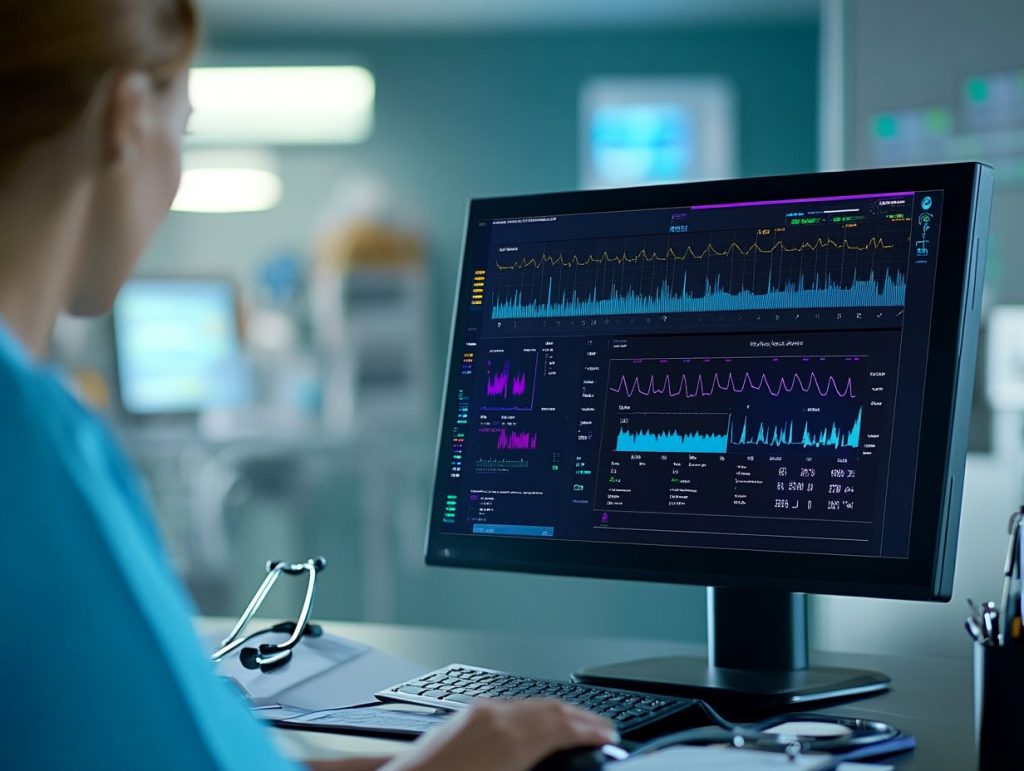
In today’s evolving healthcare environment, robust IT solutions are essential for medical practices and hospitals to deliver exceptional patient care. Effective IT management allows healthcare organizations in Columbia, SC, to streamline operations, manage complex technology demands, and ensure strict compliance with industry regulations. This comprehensive guide explores how specialized managed IT services for healthcare provide crucial support, focusing on security, governance, compliance, and seamless system integration.
Key Insights
Enhanced Operational Efficiency – Managed IT services streamline workflows and integrate advanced technologies, allowing Columbia healthcare providers to focus on patient care rather than IT complexities.
Robust Cybersecurity and Compliance – Protecting sensitive patient data is paramount; managed IT ensures adherence to regulations like HIPAA through advanced security measures and continuous staff training to prevent breaches.
Seamless System Integration – Addressing challenges posed by legacy systems, managed IT facilitates interoperability between disparate platforms, creating a unified and efficient information flow for better decision-making.
Strategic Technology Adoption – From cloud infrastructure to disaster recovery and advanced analytics, specialized IT support helps healthcare providers leverage cutting-edge tools to improve patient outcomes and operational continuity.
Local Expert Support in Columbia – Tailored IT solutions offer local healthcare providers dedicated technical assistance, ensuring systems run smoothly and efficiently, directly contributing to higher quality care.
The Importance of Managed IT in Modern Healthcare
Managed IT plays a critical role in modern healthcare, empowering providers to improve efficiency and maintain high-quality patient care. As organizations increasingly embrace digital transformation, reliable healthcare IT services become indispensable. These services support clinical and administrative systems, allowing for smoother operations.
Integrating advanced technologies is a core function of managed IT services. This integration streamlines workflows, enhances communication among staff, and ultimately leads to better patient outcomes. Furthermore, healthcare organizations can confidently focus on their primary mission of delivering care. They depend on managed IT for essential functions like data management, cybersecurity, and regulatory compliance.
Overview of Managed IT Services for Healthcare
A comprehensive array of IT support solutions defines managed IT services. These are specifically designed for the healthcare industry. Their primary focus is enhancing operational efficiency and ensuring compliance with healthcare regulations. This includes everything from strategic IT development to careful vendor management.
Core components of these services often include responsive technical support. Experienced IT professionals are readily available to address issues in a timely manner. Additionally, infrastructure management is crucial. This ensures that hardware and software systems are optimized for optimal performance. It also supports seamless system upgrades, minimizing disruptions.
Cloud computing solutions provide secure data storage and access for healthcare organizations. They also facilitate crucial collaboration among staff, improving information flow. For those interested in understanding the broader benefits of cloud computing, exploring cloud solutions for growing businesses can offer valuable insights. These solutions truly transform operational efficiency. Furthermore, IT outsourcing has become increasingly vital. It allows healthcare providers to allocate resources more effectively. This optimizes IT budgeting for improved healthcare analytics and operational gains. Custom IT service packages in Columbia SC are available to meet diverse needs.
Crucially, service level agreements (SLAs) establish clear performance metrics. This ensures that the IT support provided aligns precisely with the organization’s specific needs. Consequently, these agreements improve patient care and overall operational outcomes.
Benefits for Columbia’s Healthcare Providers
Columbia’s healthcare providers gain significant advantages from managed IT services. These services enhance operational efficiency and improve patient care outcomes. This is especially true within today’s complex digital landscape, which is supported by strategic planning and health IT standards.
Adopting these services helps organizations significantly enhance their IT compliance. This ensures strict adherence to regulatory requirements. At the same time, it effectively safeguards patient data, a critical concern. For example, streamlined data management can greatly reduce errors in patient information. This facilitates quicker access to critical health records whenever necessary.
The integration of telemedicine services through managed IT further enhances accessibility. Patients can consult with healthcare professionals conveniently from their homes. Such advancements not only drive healthcare innovation but also promote better patient engagement. Individuals can monitor their health effectively and interact more easily with providers, encouraging a proactive approach to health management.
Challenges in Healthcare IT and How Managed Services Respond
Despite advancements in healthcare IT, several challenges still hinder its full potential. Key issues include persistent cybersecurity threats, complex regulatory compliance, and significant interoperability challenges. These concerns necessitate strong health information exchange frameworks. For businesses seeking effective solutions to these challenges, strategic IT consulting can be invaluable. This type of consulting helps facilitate growth and addresses these pressing issues effectively.
Security and Compliance Concerns
Security and compliance are absolutely critical in healthcare IT. Regulations like HIPAA strictly dictate how patient data privacy must be protected and managed. Health information is inherently sensitive. Therefore, a data breach can severely harm patient trust. It can also lead to significant legal penalties and large financial losses. This risk makes IT services equally critical for other practices, such as dental IT services, since dental offices manage the same HIPAA-protected patient records and face similar regulatory exposure as larger medical practices.
Creating a strong culture of security is essential for any healthcare organization. Ongoing staff training plays a key role in this effort. Employees need to recognize phishing attempts effectively. They must also understand their individual role in protecting sensitive data. By prioritizing these measures, healthcare organizations can establish a proactive stance against potential threats. This ensures the integrity and confidentiality of patient information. For additional protection, many organizations implement advanced cybersecurity measures.
Integration with Existing Systems
Integrating managed IT solutions with diverse healthcare systems presents a significant challenge. It primarily involves achieving interoperability and ensuring the smooth flow of patient information across various platforms. This process requires advanced technical skills and specialized expertise. The complexity often arises from legacy systems, many of which were not initially designed with modern integration needs in mind. This can result in data silos, which impede timely access to critical information. A robust technical infrastructure is therefore essential. This includes secure networks and standardized protocols, ensuring effective communication among disparate systems.
Addressing these integration challenges is crucial for modern healthcare. Successful integration streamlines healthcare operations significantly. It also improves existing technology frameworks, which leads to better patient information systems and fosters innovation. Ultimately, this supports better decision-making, promotes greater collaboration among healthcare providers, and delivers more coordinated, high-quality care to patients. For a deeper understanding of efficient support, exploring columbia it support resources can be beneficial.
How Managed IT Supports Columbia’s Healthcare Providers
Columbia managed IT services support healthcare providers by delivering customized IT solutions. These solutions significantly enhance operational efficiency and ensure high-quality patient care. For a deeper look into how these services can be tailored to meet the unique needs of healthcare organizations, exploring managed IT support options for Columbia healthcare providers is highly recommended.
Specific Services and Solutions Offered
Managed IT providers in Columbia offer tailored solutions specifically for healthcare providers. These include robust cloud infrastructure, comprehensive disaster recovery planning, advanced analytics, and dedicated support for electronic medical records (EMR). These services streamline operations and enhance patient care across the board.
Cloud infrastructure ensures secure storage and easy access to critical healthcare data. This facilitates seamless collaboration among medical teams. Disaster recovery solutions protect critical information effectively. They allow healthcare organizations to quickly recover from unexpected outages or data losses. This maintains continuity of care and ensures overall business continuity.
Furthermore, advanced healthcare analytics deliver actionable insights. These insights support well-considered choices and improve patient outcomes. Managed services play a pivotal role in this environment. They not only enhance system reliability but also provide effective columbia tech support. This allows healthcare providers to concentrate on their primary mission of patient care. They avoid being burdened by IT challenges, thus facilitating better care coordination.
Real-life Examples and Success Stories
Real-life examples of successful managed IT implementations demonstrate their significant impact on healthcare providers. They emphasize notable improvements in patient care and operational efficiency through strategic technology adoption. One notable instance involves a regional hospital that adopted an integrated electronic health record (EHR) system. This implementation not only streamlined the documentation process but also enhanced clinical decision support tools.
By utilizing advanced analytics, healthcare professionals were able to interpret patient data more effectively. This resulted in a 30% reduction in medication errors and a significant increase in adherence to treatment protocols. Consequently, this hospital experienced a remarkable improvement in patient satisfaction scores. This illustrates the direct correlation between technology adoption and enhanced quality of care. Additionally, studies indicate that healthcare organizations leveraging managed IT solutions can experience up to a 25% increase in operational efficiency. This allows them to allocate more resources toward direct patient care. Organizations looking for specific compliance guidance can refer to official sources like the HHS HIPAA website.
Ready to Optimize Your Healthcare IT?
Don’t let IT challenges hinder your practice. Discover how our tailored managed IT services can enhance your patient care, secure your data, and streamline your operations in Columbia, SC.
Frequently Asked Questions
What is the role of managed IT in supporting Columbia’s healthcare providers?
Managed IT supports Columbia’s healthcare providers by offering technology solutions. These solutions improve efficiency, streamline processes, and ultimately enhance patient care. They ensure systems are reliable and secure.
How does managed IT help healthcare providers in Columbia?
Managed IT provides 24/7 monitoring and support. It ensures reliable and secure technology systems for healthcare facilities. It also helps implement and optimize electronic health record systems for maximum benefit.
What types of services are included in managed IT support for healthcare providers in Columbia?
Managed IT support for healthcare includes comprehensive network and server management, robust cybersecurity solutions, responsive help desk support, and scalable cloud computing services. These are all designed to meet specific industry needs.
Why is managed IT support with advanced healthcare IT infrastructure important for healthcare providers in Columbia?
Managed IT support helps healthcare providers in Columbia stay competitive. It improves operational efficiency significantly and enhances patient care outcomes. This is achieved through reliable, secure, and compliant technology environments.
How can managed IT support and telehealth solutions benefit smaller healthcare providers in Columbia?
Managed IT support benefits smaller healthcare providers in Columbia by providing access to advanced technology solutions. This includes cloud services and mobile health applications. It offers essential expertise that may not be feasible to maintain in-house, leveling the playing field.