Government-Grade IT Security for Columbia’s Private Sector: Lessons from the Capital City

Adam Quan is the President of Columbia IT Solutions, an award-winning provider of managed IT services to over 200 businesses and nonprofits in the Southeast.

As cyber threats grow increasingly sophisticated, the need for advanced IT security solutions has never been more critical for businesses in Columbia, SC. Private sector organizations must learn from the rigorous security measures adopted by government entities to safeguard sensitive information, ensure regulatory compliance, and maintain operational resilience. This article explores how embracing government-grade strategies can significantly strengthen cybersecurity defenses across Columbia’s private sector.
Key Insights
Evolving Cyber Threats Require Robust Defenses – Attackers continually develop advanced tactics, making it essential for Columbia businesses to adopt comprehensive and adaptive cybersecurity measures to protect against data breaches and system compromises.
Incident Response is Crucial for Business Continuity – Implementing robust incident response plans allows organizations to swiftly mitigate damage from cyberattacks, minimizing downtime and restoring operations efficiently.
Compliance and Audits Build Trust and Resilience – Adhering to international security standards and conducting regular security audits are vital steps for identifying risks, maintaining stakeholder trust, and enhancing overall organizational resilience against unforeseen challenges.
Multi-Layered Security Prevents Sophisticated Attacks – A comprehensive approach combining advanced threat detection, encryption, and access controls provides stronger protection against sophisticated threats like phishing attacks and malware.
Employee Training is the First Line of Defense – Cultivating a security-aware culture through regular training programs empowers employees to recognize potential threats, making them an essential component of an organization’s defense strategy.
The Imperative of Government-Grade Security in Columbia
The current landscape of digital threats underscores the vital importance of government-grade IT security for both public and private sectors in Columbia. Organizations constantly confront escalating threats from cyberattacks and data breaches. Therefore, a steadfast commitment to thorough risk assessments, proactive incident response plans, and strict compliance with regulations is no longer optional; it is a business necessity.
Cyber threats have evolved beyond simple viruses. Attackers now employ advanced tactics designed to exploit subtle weaknesses within systems and human processes. As a result, many businesses are prioritizing the implementation of robust incident response strategies. These plans are designed to swiftly mitigate damage, contain breaches, and restore operations with minimal disruption.
Furthermore, compliance with international security standards is becoming an essential benchmark for building trust with stakeholders and safeguarding sensitive information. Regular security audits are critical for identifying potential risks and enhancing overall organizational resilience. This proactive approach ensures that Columbia businesses are well-equipped to withstand and recover from unforeseen security challenges, maintaining their integrity and operational capacity.
Lessons from the Capital City’s Approach
The Capital City of Columbia serves as a compelling case study for examining the implementation of stringent government-grade IT security measures. Many of these effective strategies can be adopted by private enterprises to bolster their own cybersecurity in Columbia SC. Various case studies demonstrate how organizations have gleaned essential insights in areas such as incident management, threat intelligence, and the integration of best practices to safeguard against emerging cyber threats.
These real-life examples from Columbia illustrate the efficacy of strong cybersecurity protocols. They show how organizations have successfully managed incidents and significantly reduced risks through thorough threat assessments and well-established security frameworks. One notable case involving a large financial institution in the region highlighted the critical importance of implementing a multi-layered security approach. This organization faced a sophisticated phishing attack that initially compromised several employee accounts. However, by leveraging advanced threat detection tools and conducting immediate training sessions for employees on recognizing suspicious communications, the organization was able to contain the breach swiftly. Consequently, they minimized potential data loss and reinforced their overall cybersecurity posture.
These incidents provide valuable insights into how effective response strategies can enhance cybersecurity policies and practices within the private sector. They encourage other organizations to adopt similar measures, thereby improving their resilience against a constantly evolving threat landscape.
Key Components of Government-Grade IT Security

Government-grade IT security encompasses a comprehensive set of tools, strategic methodologies, and best practices. These components are essential for protecting critical assets and ensuring compliance with stringent regulatory requirements. A robust security architecture helps organizations strengthen their defenses against pervasive cyber threats. It also promotes enduring operational resilience by establishing a secure and reliable technological environment.
Advanced Tools, Strategies, and Best Practices
Effective government-grade IT security relies heavily on advanced technological tools, strategic initiatives, and adherence to established best practices. These elements collectively enhance network security and protect sensitive information through robust encryption and precise access control measures. Organizations routinely deploy next-generation firewalls, sophisticated intrusion detection systems, and multi-factor authentication (MFA) to strengthen their digital defenses against unauthorized access and malicious activities.
Encryption techniques, such as Advanced Encryption Standard (AES) and Rivest-Shamir-Adleman (RSA) algorithms, play a crucial role in safeguarding data, both when it is in transit across networks and when it is at rest on storage devices. Furthermore, comprehensive incident recovery planning is absolutely essential. It ensures that organizations can respond swiftly and effectively to breaches, minimize potential damage, and rapidly restore operations to their normal state. This proactive planning is a cornerstone of maintaining business continuity.
Cultivating a security-aware culture among all employees is also profoundly significant. Regular training programs actively highlight the importance of cybersecurity best practices, equipping personnel with the knowledge to recognize potential threats. In doing so, employees become the first and often most critical line of defense against potential cyberattacks. Investing in employee education significantly reduces the likelihood of human error leading to security vulnerabilities.
Implementing Government-Grade IT Security in the Private Sector
Implementing government-grade IT security within the private sector presents a unique set of challenges. These include navigating complex budget allocations, securing enthusiastic stakeholder engagement, and ensuring rigorous compliance with an ever-expanding array of security regulations. Organizations must skillfully navigate these complexities and develop highly effective security measures that can address both current and emerging threats.
Challenges and Practical Solutions
Challenges in implementing government-grade IT security often stem from limited resources, a general lack of cybersecurity awareness among staff, and overly complex IT governance frameworks. This situation necessitates the development of innovative solutions and sophisticated risk mitigation strategies to effectively address these obstacles. Many organizations frequently encounter difficulties due to reliance on outdated technology, insufficient staff training, and inadequate funding for security initiatives. These pervasive issues can significantly hinder the establishment of robust cybersecurity measures.
To enhance their security posture, companies should consider making strategic investments in ongoing employee training programs. These programs must emphasize the critical significance of columbia it support best practices, complemented by regular simulations that realistically replicate potential threats. Additionally, leveraging advanced cloud solutions for growing businesses can provide scalable security resources without the burden of substantial upfront hardware and software costs. By fostering a pervasive culture of security awareness and deploying technologies that offer automated threat detection, organizations can significantly reduce their overall risk exposure while simultaneously optimizing their IT security frameworks.
Future Outlook and Recommendations
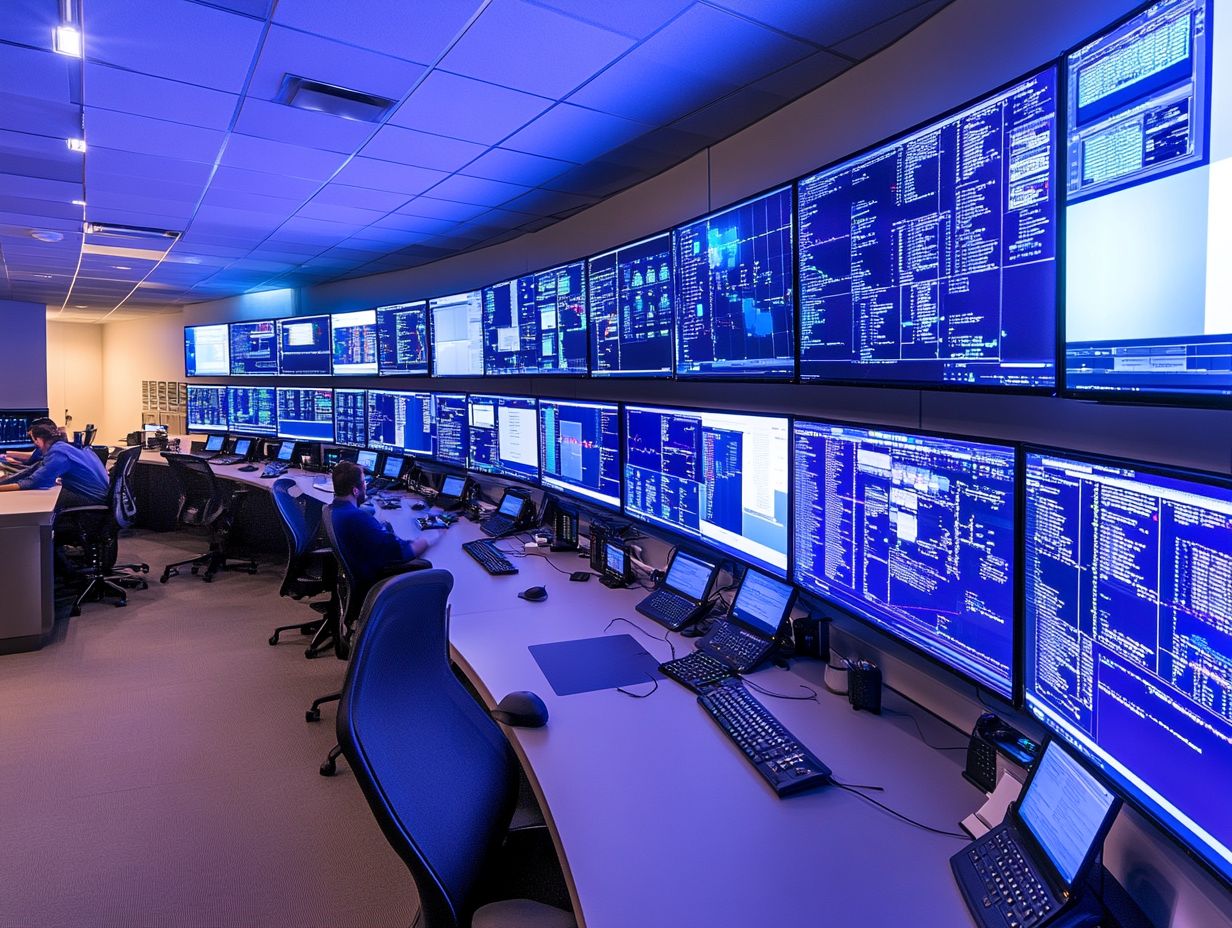
The future outlook for adopting government-grade IT security within Columbia’s private sector largely depends on meticulous planning, continuous investment, and an unwavering commitment to resilience against persistent cyber threats. Organizations must proactively embrace forward-thinking approaches to strengthen their digital defenses and protect their critical information assets.
To effectively navigate the complex landscape of cyber risks, organizations must prioritize building a robust infrastructure and conducting thorough risk assessments on a regular basis. Implementing comprehensive training programs for all employees can significantly enhance overall security awareness, thereby fostering a deep-seated culture of security that permeates every level of the organization. This collective vigilance is paramount.
Adopting adaptive strategies that can respond dynamically to emerging threats ensures that security measures remain highly effective over time. By actively involving all key stakeholders in ongoing discussions about cybersecurity, organizations can establish a more unified and impenetrable front against potential breaches. This collaborative effort not only safeguards valuable assets but also maintains the crucial trust of clients and partners. For professional firms, specialized IT support for law firms or financial it services ensures industry-specific compliance and protection.
Regular system updates, timely patching, and continuous monitoring are also fundamental practices. These actions help to close potential vulnerabilities before they can be exploited. Businesses should also review their IT disaster recovery plans frequently to ensure rapid restoration capabilities. Furthermore, engaging a trusted columbia msp can provide access to expert knowledge and advanced security tools, allowing private sector companies to achieve a higher level of protection without the extensive overhead of an in-house security team.
Protect Your Business with Expert IT Security
Don’t let cyber threats compromise your business. Implement government-grade IT security strategies to safeguard your data, ensure compliance, and maintain operational stability. Our team offers specialized cybersecurity solutions tailored for Columbia’s private sector.
Frequently Asked Questions
What is meant by “Government-Grade IT Security”?
“Government-Grade IT Security” refers to the highest level of security and protection required by government agencies for their extremely sensitive and confidential data. This includes strict measures, protocols, and technologies designed to defend against sophisticated cyber threats and attacks, often exceeding standard industry requirements.
How Can Columbia’s Private Sector Learn from IT Security in the Capital?
Private sector companies in Columbia can learn from the capital city’s robust IT security by adopting similar protocols for data protection, incident response, and compliance. This involves implementing multi-layered defenses, conducting regular risk assessments, and fostering a strong security-aware culture among employees.
What Cyber Threats Affect Columbia’s Private Sector?
Columbia’s private sector faces a range of cyber threats, including phishing scams, ransomware attacks, various forms of malware, and insider threats. These threats can lead to data breaches, financial losses, and significant operational disruption. Staying informed about these threats is crucial for effective defense.
How Can Government and the Private Sector Collaborate on IT Security?
Government agencies and the private sector can significantly improve overall IT security by fostering collaboration and sharing vital threat intelligence. This partnership can lead to more effective strategies, shared resources, and a stronger collective defense against cyber adversaries. Such collaboration can involve joint training, information exchange, and coordinated incident response efforts.
What Steps Can Columbia’s Private Sector Take to Boost IT Security?
Private sector companies in Columbia can enhance their IT security by conducting regular risk assessments, implementing stringent access controls, providing continuous employee training on cybersecurity best practices, and staying consistently updated on the latest security measures and technologies. Partnering with a professional IT services provider can also offer significant benefits.