Why Columbia Dental Practices Need Reliable Imaging System Support

Adam Quan is the President of Columbia IT Solutions, an award-winning provider of managed IT services to over 200 businesses and nonprofits in the Southeast.

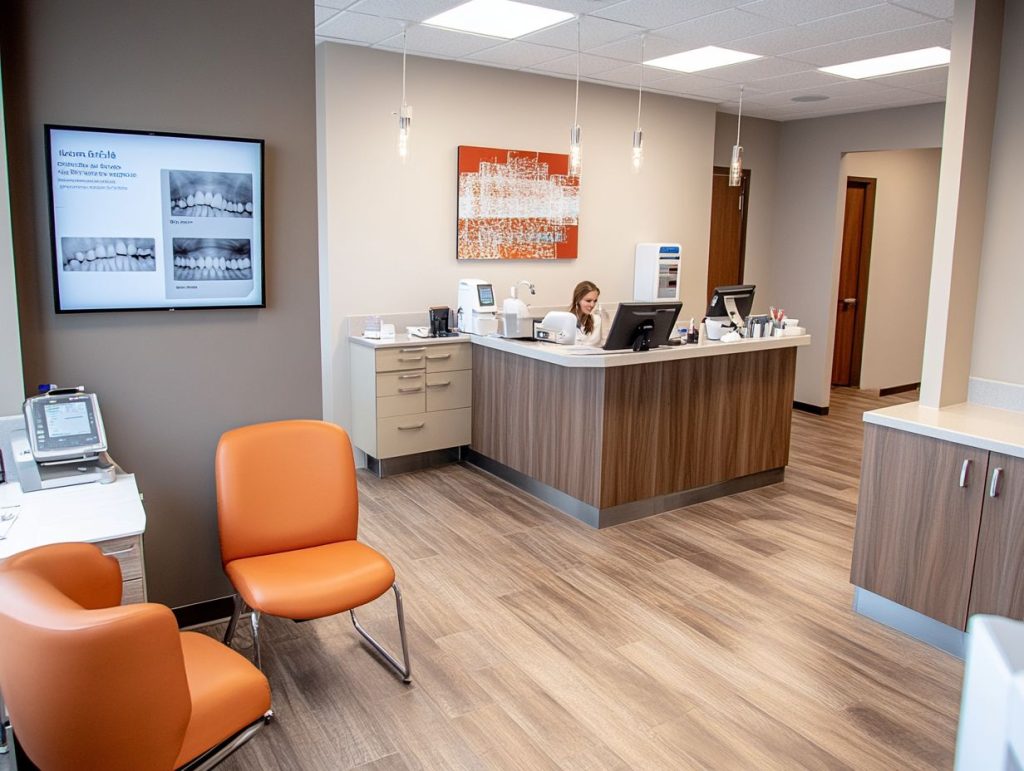
When imaging systems falter, daily operations at a dental practice can grind to a halt. Reliable dental IT support keeps things moving, ensuring practitioners can focus entirely on patient care. Many Columbia practices leverage digital X-rays and artificial intelligence to achieve faster, more accurate diagnostics. Therefore, having expert assistance when technical issues arise significantly impacts efficiency and patient outcomes.
Key Insights
Enhanced Patient Care – Dependable imaging system support in Columbia dental practices ensures accurate diagnostics and precise treatment planning, directly improving overall patient care quality and outcomes through advanced technology.
Operational Efficiency – Minimizing equipment downtime through proactive managed IT services boosts operational efficiency, streamlines workflows, and protects revenue by maintaining consistent service delivery in busy practices.
Regulatory Compliance – Proper imaging support upholds stringent regulatory compliance standards for patient record keeping, ensuring practices meet HIPAA and PCI DSS requirements while enhancing staff productivity.
Cost Reduction – Investing in reliable IT support for imaging systems reduces long-term operational costs by preventing expensive emergency repairs, eliminating material expenses from traditional film, and optimizing staff time.
Advanced Technology Integration – Specialized IT expertise facilitates the seamless integration of modern imaging modalities, such as AI diagnostic tools and CBCT scanners, ensuring compatibility and peak performance across all dental software.
The Critical Role of Specialized Dental IT Support
Dental practice imaging system IT support extends beyond basic computer fixes. It encompasses a unique set of challenges and requirements specific to the dental field. For example, modern practices rely heavily on advanced imaging technologies, practice management software, and secure patient data systems.
Without specialized IT expertise, issues can quickly escalate. This can lead to system downtime, data breaches, and non-compliance with critical regulations like HIPAA. Therefore, understanding the comprehensive nature of dental IT support is vital for any thriving practice in Columbia.
What Does a Dental IT Support Company Do?
A dental IT support company provides comprehensive technology management tailored to dental practices. This includes installing and configuring specialized dental software and hardware, maintaining network infrastructure, ensuring data security and compliance, and offering rapid troubleshooting for technical issues. Additionally, they provide insights into new technologies, helping practices strategically plan for future growth and efficiency.
Many Columbia dental offices utilize advanced digital radiography (DR) and Cone Beam Computed Tomography (CBCT) systems. Managed IT services Columbia SC providers ensure these complex systems are integrated properly and operate without interruption. They also handle routine maintenance and updates, which prevents many common problems.
Why Do Dental Practices Need Specialized IT Support?
Dental practices handle sensitive patient health information (PHI), making them prime targets for cyberattacks. Moreover, the integration of diverse technologies, from patient management software like Dentrix to sophisticated imaging equipment, requires specific technical knowledge. General IT support often lacks the nuanced understanding of dental-specific applications and compliance standards.
Specialized IT services and support ensure that all systems, including imaging software and clinical workstations, communicate effectively and securely. This mitigates risks associated with data breaches and ensures seamless daily operations. Specialized support also understands that every minute of downtime impacts patient care and revenue.
Ensuring Diagnostic Accuracy and Patient Safety
Artificial intelligence enhances patient care quality by improving diagnostic capabilities and supporting more personalized treatment approaches. Columbia dental practices benefit significantly when AI systems are seamlessly integrated with existing imaging equipment. This allows clinicians to dedicate more time to patient interaction rather than manual image review.
Advanced imaging technology enables early diagnosis of conditions that might otherwise go undetected. Patients often report greater confidence when they see clear visual evidence of their conditions. Digital imaging helps families understand their oral health status and the rationale behind recommended treatments. This fosters stronger trust between dental teams and their patients.
Imaging Systems Integration and Support
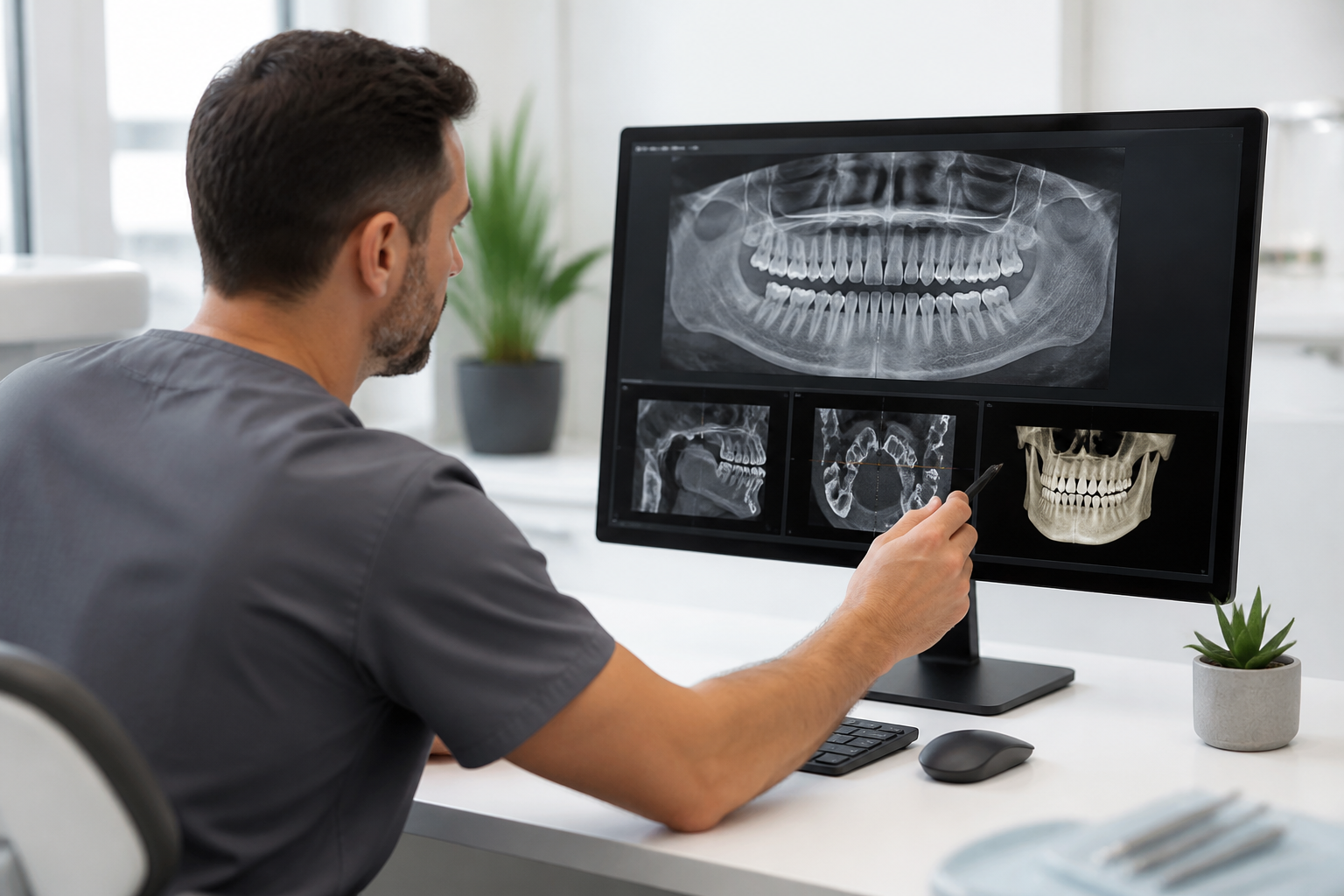
AI-powered imaging systems can identify subtle changes in dental structures that are difficult to detect through traditional visual examination. Digital radiography offers detailed views of teeth, bone, and surrounding tissues within seconds. Conversely, CBCT provides three-dimensional images, revealing structures not visible on standard two-dimensional films.
Artificial intelligence assists clinicians by flagging potential areas of concern for closer review. It analyzes high-resolution images, highlighting variations that warrant attention without replacing the dentist’s professional judgment. Columbia practices rely on digital X-rays for routine exams and CBCT for surgical planning. Therefore, reliable system support keeps this equipment operating at peak performance. Poor IT hygiene directly compromises diagnostic accuracy in dental practices.
Treatment Planning Tools
Modern AI dental software creates visual treatment presentations, helping patients understand their oral health conditions and proposed procedures. For instance, Overjet generates overlays on radiographs to highlight findings. This makes it easier for dentists to explain complex medical information in an accessible format. Consequently, patients become more engaged in their dental care when they clearly see existing issues and proposed solutions.
Personalized treatment plans naturally develop from the detailed information provided by these imaging systems. Columbia dental practices confirm that evidence-driven care becomes simpler when AI tools supply consistent data. Reliable imaging system support ensures programs like Overjet remain accessible during appointments, enhancing both clinical efficiency and patient communication.
Operational Excellence and Efficiency
Integrating AI into dental practices streamlines daily operations by automating routine tasks and supporting consistent clinical workflows. Columbia dental practices experience improved clinical efficiency when modern systems handle repetitive steps automatically. This allows staff to spend less time on paperwork and more time directly with patients.
Digital tools connect different parts of the practice, ensuring everyone works from the same current information. This supports early diagnosis and helps providers create personalized treatment plans. Practices that adopt these systems often notice smoother days and fewer interruptions. Staff can move between patients with less friction. IT support Columbia providers with dental sector experience maintain these integrated systems.
Minimizing Downtime and Maximizing Workflow
Digital imaging systems eliminate the need for chemical processing and film development. This allows practices to capture and review images within seconds. Instant access to images means appointments remain on track, avoiding delays caused by older equipment. Real-time feedback helps patients better understand their oral health, keeping the schedule moving efficiently.
Practices also gain environmental benefits by switching away from harsh chemicals and physical film waste. This avoids toxic materials and frees up space once reserved for darkrooms. Less downtime equates to more productive use of practice resources. Managed IT helps eliminate outdated processes, offering a practical framework for practices transitioning from legacy imaging workflows. This proactive approach significantly reduces practice costs.
Data Protection and Regulatory Compliance
Dental practices must maintain accurate, accessible patient records while adhering to evolving regulatory requirements for data security and clinical documentation. Modern electronic health record (EHR) platforms help practices meet these obligations. They feature automated audit trails, documenting every access and modification to patient files. Structured data entry ensures consistency across treatment notes, medication histories, and imaging records.
Regular backups protect against data loss during system failures or security incidents. Integration between imaging systems and patient management software creates complete documentation, satisfying both clinical and regulatory standards. Clean, organized file structures are foundational for maintaining compliant dental records across Columbia practices.
Cybersecurity and Patient Data Protection
Protecting patient data security is paramount in dentistry. This includes implementing HIPAA-compliant data security, automated backups, and access controls to sensitive imaging data. Regular security assessments and compliance monitoring ensure Columbia dental practices meet evolving data protection requirements year-round.
A robust cybersecurity program safeguards patient information from unauthorized access or breaches. This proactive approach includes network design, infrastructure hardening, and employee training on best security practices. Neglecting cybersecurity can lead to severe fines, loss of patient trust, and irreparable damage to a practice’s reputation.

Compliance : HIPAA, PCI DSS
Compliance with regulations such as HIPAA (Health Insurance Portability and Accountability Act) and PCI DSS (Payment Card Industry Data Security Standard) is non-negotiable for dental practices. HIPAA governs the privacy and security of PHI, while PCI DSS protects credit card information.
Specialized IT support helps practices implement the necessary technical and administrative safeguards. This includes encryption for data in transit and at rest, secure network configurations, and documented incident response plans. Ensuring compliance protects patient privacy and prevents costly legal penalties. Furthermore, it builds confidence among patients, knowing their sensitive information is handled with the utmost care.
Fast Response Times and Proactive Monitoring
When an operatory computer cannot connect to the server, or imaging connection errors occur, fast response times are crucial. Every minute of system downtime can delay patient appointments, disrupt workflows, and impact revenue. Consequently, dental practices need an IT partner who can provide immediate and effective assistance.
Proactive monitoring and maintenance are essential for preventing issues before they arise. This involves continuous oversight of network health, software performance, and security systems. Regular check-ups and preventative measures minimize the risk of unexpected outages, ensuring that critical systems are always available. Fast IT response times are essential for productivity.
What Happens if Your Dental Office Network Goes Down?
If a dental office network goes down, several critical operations cease immediately. Patient management software, digital imaging systems, and communication tools become inaccessible. This leads to delayed or canceled appointments, inability to access patient records, and disrupted billing processes. The financial and reputational repercussions can be substantial.
An office network going down can make it impossible for operatory computers to connect to the server, preventing dentists from even viewing patient charts or X-rays. This creates frustration for both staff and patients, harming the practice’s ability to deliver care. Furthermore, it undermines reliable IT support services.
Why is the Dental Office Network So Slow?
A slow dental office network can stem from various issues, including outdated hardware, insufficient bandwidth, network congestion, or poorly configured Wi-Fi. Large image files, common in dental practices, can also strain network resources. Moreover, a lack of regular network maintenance or an accumulation of unnecessary software can degrade performance over time.
A slow network impacts every facet of a dental practice, from accessing patient records to sharing diagnostic images. This leads to frustrating delays and reduced productivity. An IT consultation in Columbia, SC can identify bottlenecks and implement solutions to optimize network speed and efficiency.
Supporting Multi-Location Practices and DSOs
Managing IT for a single dental practice is complex enough, but multi-location practices and Dental Service Organizations (DSOs) face even greater challenges. Consistent technology across all locations is crucial for scalability, data sharing, and unified patient care. Specialized IT support is essential for seamless operations across all sites.
This includes standardizing software, ensuring secure interconnectivity, and providing centralized management of IT assets. Implementing cloud solutions can further enhance flexibility and accessibility for multi-location entities. It also facilitates easier data backup and recovery strategies across disparate sites, minimizing the risk of data loss. Learn more about cloud solutions for growing businesses.

Ready to Optimize Your Dental Practice Technology?
Don’t let IT issues compromise your patient care or practice efficiency. Our specialized dental IT support in Columbia, SC ensures your imaging systems, practice management software, and patient data are secure and always available. Experience proactive monitoring, fast response times, and comprehensive compliance management.
Frequently Asked Questions
Why do Columbia dental practices need reliable imaging system support?
Columbia dental practices require dependable imaging system support to maintain high-quality patient care and avoid operational disruptions from technical issues with digital X-rays, CBCT scanners, and other imaging equipment. This specialized support ensures accurate diagnostics and efficient workflows, directly impacting patient satisfaction and practice revenue.
How does imaging system downtime affect Columbia dental practices?
Extended downtime delays diagnoses and treatments, negatively affecting patient trust and practice reputation. For instance, every hour of imaging system unavailability disrupts appointment schedules, reduces revenue, and creates patient dissatisfaction that can be difficult to overcome. This also leads to staff frustration and decreased productivity, impacting overall office morale.
What does professional imaging system support include for Columbia dental offices?
Professional support includes timely repairs, essential software updates, proactive preventive maintenance, HIPAA compliance monitoring, and staff training on the optimal use of advanced digital radiography equipment. Moreover, IT support Columbia providers with dental sector experience deliver all of these as part of comprehensive dental IT packages, ensuring seamless integration and operation.
How does reliable imaging support reduce costs for Columbia dental practices?
Reliable support reduces equipment failures, lowers long-term maintenance expenses, and eliminates the expensive emergency service calls associated with reactive-only IT approaches. Predictable monthly managed IT costs replace unpredictable repair bills, supporting better financial planning and allowing practices to allocate resources more effectively to patient care and growth initiatives. This results in significant long-term savings.
How does imaging system support protect patient data at Columbia dental practices?
Proper IT support implements robust, HIPAA-compliant data security measures, including automated backups and strict access controls. This protects sensitive imaging data from loss or unauthorized access. Regular security assessments and continuous compliance monitoring ensure Columbia dental practices consistently meet evolving data protection requirements, safeguarding patient privacy and the practice’s legal standing.
For more insights on HIPAA compliance in dentistry, refer to the American Dental Association’s guidelines.