Cybersecurity 101 for Columbia Business Owners

Adam Quan is the President of Columbia IT Solutions, an award-winning provider of managed IT services to over 200 businesses and nonprofits in the Southeast.

Running a successful enterprise in Columbia requires attention to many details. Among these, ensuring robust cybersecurity for small businesses Columbia SC has become paramount. This guide outlines essential practices local owners can implement to protect their operations, customer data, and reputation from evolving digital threats.
Key Insights
Proactive Threat Awareness – Columbia small businesses encounter the same sophisticated cyber threats as larger organizations. A foundational understanding of risks like ransomware and phishing is essential for developing effective defense strategies.
Strong Access Controls are Non-Negotiable – Implementing strong passwords, multi-factor authentication, and regular access reviews significantly reduces unauthorized entry. These security habits form a crucial barrier against common breaches.
Employee Training is a Primary Defense Line – Human error contributes to many successful cyberattacks. Consistent cybersecurity training empowers employees to recognize and report threats effectively, transforming them into proactive defenders.
Data Protection is Layered and Compliance-Driven – From data classification and encryption to regulatory compliance, protecting sensitive information requires a multi-faceted approach. Tailoring solutions to industry-specific obligations is vital for businesses in Columbia.
An Incident Response Plan is Critical for Recovery – Documenting specific steps for responding to a cyberattack minimizes damage and speeds recovery. Clear roles and pre-defined communication protocols ensure a swift and organized reaction during a crisis.
Why is Cybersecurity Important for Small Businesses in Columbia?
Cybersecurity is not just for large corporations; it is a vital concern for every enterprise in our community. Small businesses in Columbia often hold valuable data, from customer credit card details to proprietary business information. This data makes them attractive targets for cybercriminals.
Many small businesses lack the dedicated IT resources of larger companies, making them particularly vulnerable. A single data breach can lead to severe financial penalties, operational disruption, and significant reputational damage. Therefore, a proactive approach to small business cybersecurity Columbia is an investment in your company’s future and stability.
Common Cyber Threats Columbia Businesses Face
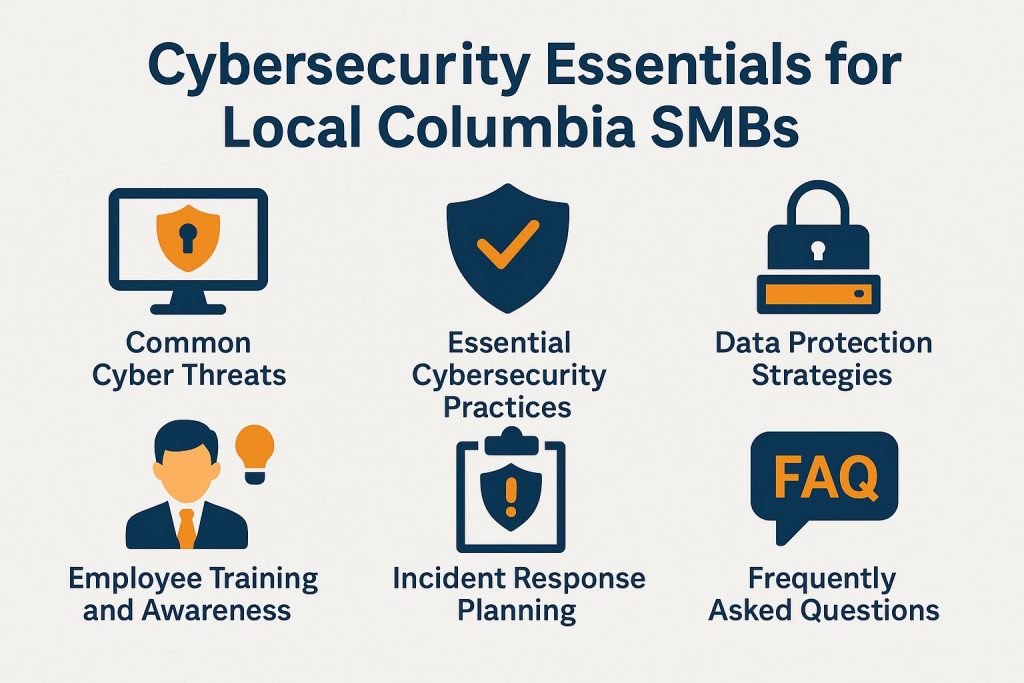
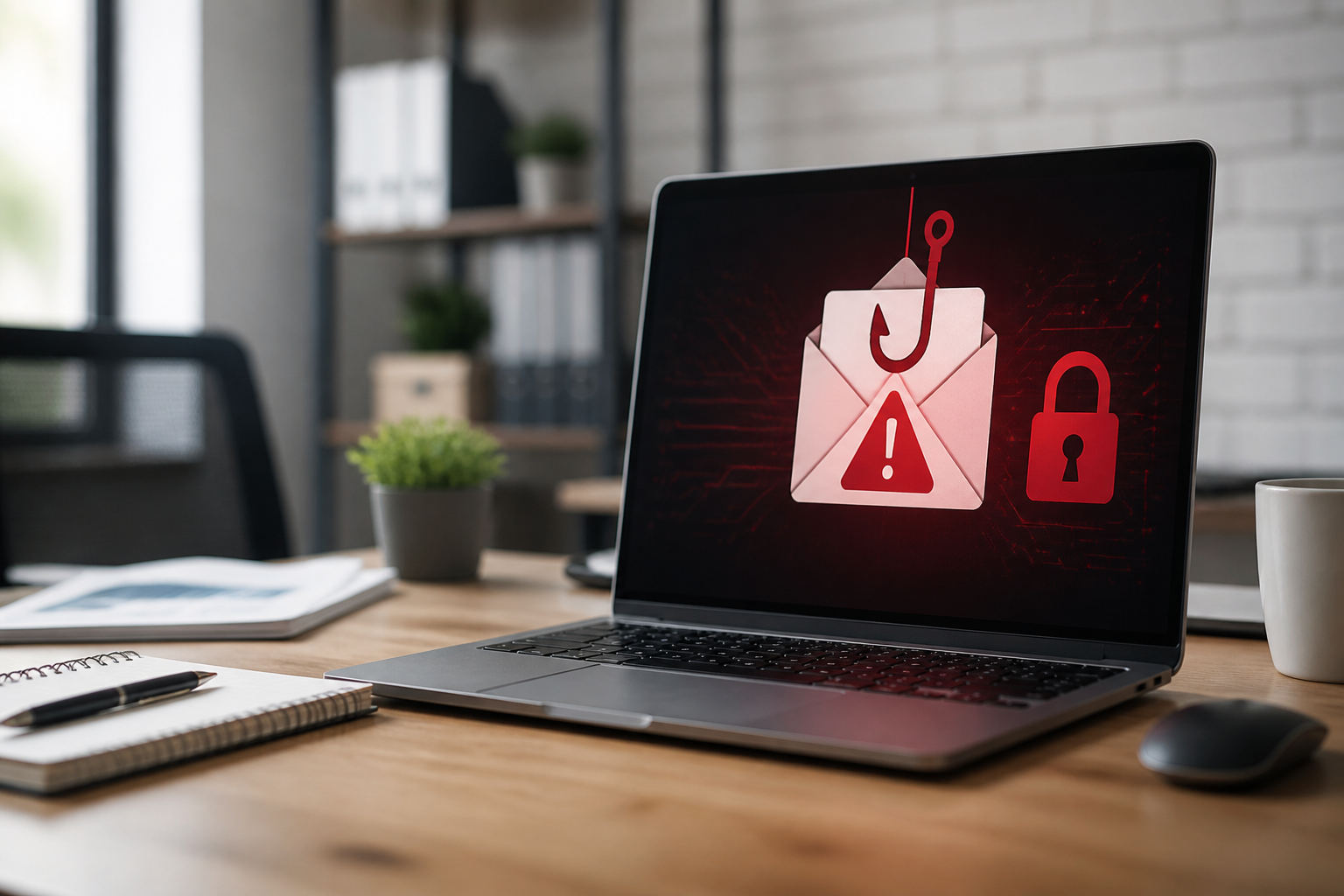
The digital landscape is constantly evolving, presenting new challenges for businesses. Understanding common attack types helps in building robust defenses. For instance, ransomware encrypts critical files, demanding payment for their release. This can halt business operations entirely.
Phishing attempts, often disguised as legitimate emails, trick employees into revealing sensitive information. These social engineering tactics are alarmingly effective. Furthermore, unsecured Internet of Things (IoT) devices, such as smart cameras or thermostats, can create additional entry points for attackers. Each connection expands potential vulnerabilities, necessitating careful management and security audits.
Basic Cybersecurity Practices for Protecting Your Data
Implementing fundamental cybersecurity practices does not require extensive technical knowledge, but it does demand commitment. These basics form the bedrock of a secure digital environment. They help shield your valuable assets from unauthorized access and malicious activity.
Passwords and Authentication: Your First Line of Defense
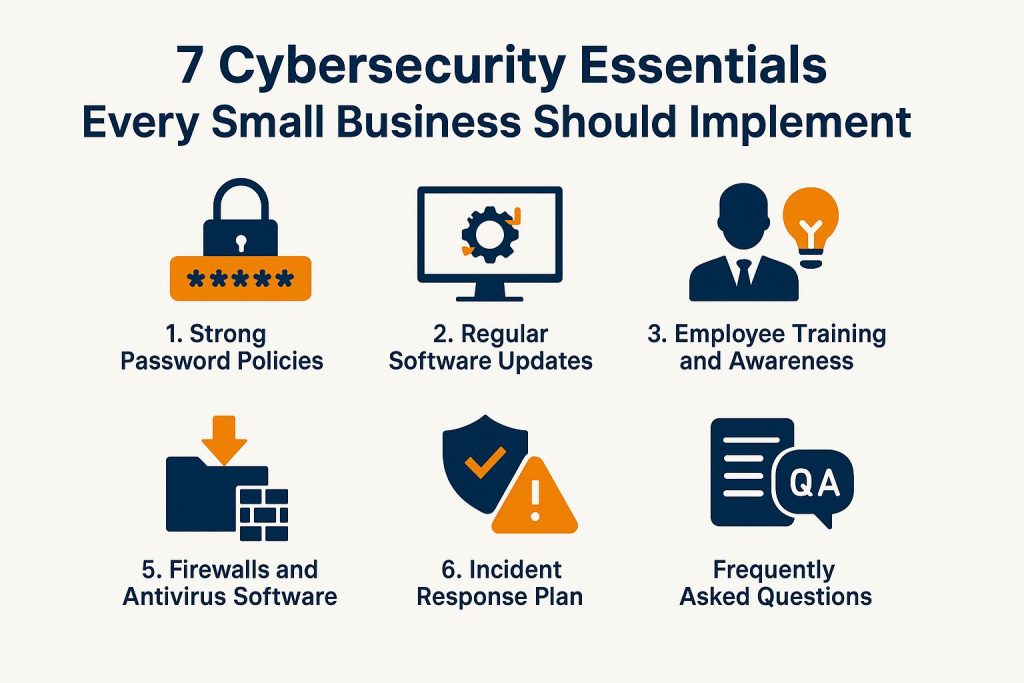
Strong passwords are the first barrier against unauthorized access. They should be unique, complex, and ideally managed through a password manager. This eliminates the need for employees to memorize multiple credentials, reducing the likelihood of weak or reused passwords.
Multi-factor authentication (MFA) adds an essential second layer of security. MFA requires not only a password but also a second verification method, such as a code from a mobile app or a physical key. Implementing MFA on email, financial systems, and cloud services greatly enhances security. It makes it significantly harder for attackers to gain entry, even if they compromise a password. Learn more about cybersecurity services Columbia businesses can leverage.
Access Control and Regular Reviews
Controlling who has access to what data is fundamental for data protection. Role-based access ensures employees only access information necessary for their specific job functions, minimizing potential exposure. For example, a marketing specialist does not require access to financial records.
Regular access reviews are equally important. When employees leave, or their roles change, their access permissions must be updated promptly. Conducting these reviews quarterly ensures that former employees or contractors cannot retain access to sensitive systems. This practice is crucial for maintaining a secure environment and reducing your attack surface.
Secure Your Network and Devices
Your network is the backbone of your business operations. Securing it involves several key components. Firewalls, for instance, act as a barrier between your internal network and the internet, blocking unauthorized traffic. Regularly updated antivirus and anti-malware solutions protect individual devices from harmful software.
Additionally, securing your Wi-Fi network with strong encryption protocols (like WPA3) and unique passwords prevents unauthorized users from easily connecting. Proactive IT monitoring can detect unusual network activity, helping to identify and address threats before they escalate. Software updates and patches are also critical, as they fix known vulnerabilities that cybercriminals often exploit.
Mobile Device Security
With an increasing number of employees working remotely or using personal devices for business, mobile device security is paramount. Implement policies that require strong passwords, encryption, and remote wipe capabilities for all business-related mobile devices. This protects sensitive data if a device is lost or stolen.
Protecting Your Data: Beyond Passwords
While strong authentication is vital, comprehensive data protection extends further, encompassing how data is stored, transmitted, and managed. Businesses in Columbia, particularly those in regulated sectors, must adhere to specific standards for data handling.
Data Classification and Encryption
Effective data protection begins with understanding the sensitivity of your information. Classifying data into categories, such as public, internal, and confidential, helps determine appropriate security measures. Financial records, patient information, or client contracts demand the highest level of protection.
Encryption then scrambles this sensitive data, making it unreadable to unauthorized individuals. It should be applied to data both “at rest” (stored on servers or hard drives) and “in transit” (when being sent over networks or email). Encryption provides a critical safeguard, ensuring that even if data is intercepted, it remains secure. For example, healthcare IT services in Columbia, SC, emphasize encryption for HIPAA compliance.
Data Backup and Recovery
Even with robust defenses, data loss can occur due to cyberattacks, hardware failure, or natural disasters. Regular data backup and recovery is a critical component of any security strategy. Implement a consistent backup schedule, storing copies off-site or in secure cloud environments. This ensures that your business can quickly restore operations and minimize downtime after an incident.
Test your backup system periodically to confirm its reliability. Knowing that your data can be fully restored provides immense peace of mind and resilience. IT disaster recovery planning directly incorporates these backup strategies.
Compliance Requirements for Columbia Industries
Certain industries in Columbia operate under strict regulatory frameworks that dictate data security measures. Healthcare providers, for instance, must comply with HIPAA to protect patient health information. Financial services firms adhere to PCI-DSS for payment card data and FTC Safeguards Rule for customer financial details. Law firms must uphold client confidentiality under professional conduct obligations. Our IT support for small law firms in Columbia addresses these specific needs.
Meeting these compliance requirements is not only a legal necessity but also builds critical trust with clients. Failure to comply can result in significant fines and legal repercussions. Therefore, selecting IT security solutions that explicitly address these regulations is a prudent business decision.
Employee Training and Incident Response Planning
Your employees are your strongest asset, and also often the most targeted entry point for cyberattacks due to human error. Proper training and a clear plan for emergencies are indispensable for comprehensive protection.
Train Employees: Building a Human Firewall
Regular employee training is perhaps the single most impactful cybersecurity measure a small business can implement, regardless of budget. Most successful cyberattacks exploit human vulnerabilities rather than purely technical ones. Training should cover various topics, including how to spot phishing emails, the importance of strong, unique passwords, and safe browsing habits.
Simulated phishing campaigns are excellent tools for practical training. They help employees learn to identify suspicious messages in a controlled environment, reinforcing best practices. Clear reporting procedures are also essential; staff should know exactly how and to whom to report suspicious activities without fear of reprisal. This empowers your team to act as an active defensive layer, minimizing risk. How often should employees be trained on cybersecurity? Ideally, training should be ongoing, with at least quarterly refreshers and immediate updates as new threats emerge. The Cybersecurity and Infrastructure Security Agency (CISA) provides valuable guidance on cybersecurity best practices.
What Should Be Included in an Incident Response Plan?
An incident response plan is your business’s roadmap for navigating a cyberattack. It outlines clear steps to contain, eradicate, and recover from a security incident. Every plan should assign specific roles and responsibilities to team members, ensuring a coordinated effort. This prevents confusion and allows for swift action when every second counts.
Key elements include:
- Preparation: Regular risk assessments and security audits to identify vulnerabilities before an incident.
- Identification: Procedures for detecting and confirming a security breach.
- Containment: Steps to isolate affected systems and prevent further spread.
- Eradication: Removing the threat and identifying its root cause.
- Recovery: Restoring systems and data from backups, and returning to normal operations.
- Post-Incident Review: Analyzing what happened to prevent future occurrences.
Communication and Containment During an Incident
Effective communication is crucial during a security incident. Your plan should detail who to inform, both internally (employees, management) and externally (clients, regulators, law enforcement). Pre-drafted communication templates can save valuable time during a crisis, ensuring consistent messaging.
Containment procedures are equally vital. This might involve immediately disconnecting compromised devices from the network or shutting down affected servers. Practicing these scenarios through tabletop exercises helps refine your response, ensuring your team is ready when a real event occurs.
Is Your Columbia Business Truly Secure?
Don’t leave your business vulnerable to the growing landscape of cyber threats. Our local Midlands team provides expert cybersecurity services for Columbia businesses, offering tailored solutions to protect your valuable assets. Contact us today for a free, no-obligation assessment of your current cybersecurity posture.
Frequently Asked Questions
Why is cybersecurity important for small businesses?
Cybersecurity is important for small businesses to protect sensitive customer data, maintain operational continuity, and avoid significant financial losses or reputational damage from cyberattacks. Small businesses are often targeted because they may have fewer resources dedicated to security.
What are common cyber threats/attacks?
Common cyber threats include phishing (deceptive emails), ransomware (data encryption for ransom), malware (malicious software), and unsecured IoT devices. These attacks can lead to data breaches, system downtime, and financial fraud.
How can I protect my business from cyberattacks?
You can protect your business by implementing strong passwords and MFA, regularly training employees, backing up data, using firewalls and antivirus software, securing Wi-Fi, and having an incident response plan. These measures create a robust defense against various attack vectors.
What is multi-factor authentication (MFA) and why is it important?
MFA is a security system that requires two or more verification methods to grant access, such as a password and a code sent to your phone. It is important because it adds a crucial layer of security, making it much harder for unauthorized users to access accounts even if they have a password.
How do I secure my network?
To secure your network, use strong, unique passwords for your Wi-Fi, enable WPA3 encryption, configure a firewall, keep all network devices updated with the latest patches, and consider network segmentation. Regular security audits can help identify and close potential vulnerabilities.