Cybersecurity Essentials for Columbia Businesses

Adam Quan is the President of Columbia IT Solutions, an award-winning provider of managed IT services to over 200 businesses and nonprofits in the Southeast.
Protecting sensitive information and maintaining operational integrity are top priorities in today’s digital world. Cybersecurity for Columbia Businesses plays a vital role in defending against common threats such as phishing and ransomware. This article explores best practices for building strong cybersecurity measures and implementing effective data protection strategies. It also emphasizes the importance of regulatory compliance and incident response planning, helping Columbia businesses stay secure and resilient in an increasingly complex digital environment.
Common Cyber Threats and IT Security Challenges
Understanding common cyber threats and developing a strong cybersecurity strategy is vital for businesses aiming to defend against potential attacks. Our in-depth study on cybersecurity services in Columbia provides valuable insights into the evolving threats local businesses face. By recognizing these risks, organizations can strengthen their defenses, enhance cyber resilience, and better safeguard daily operations.
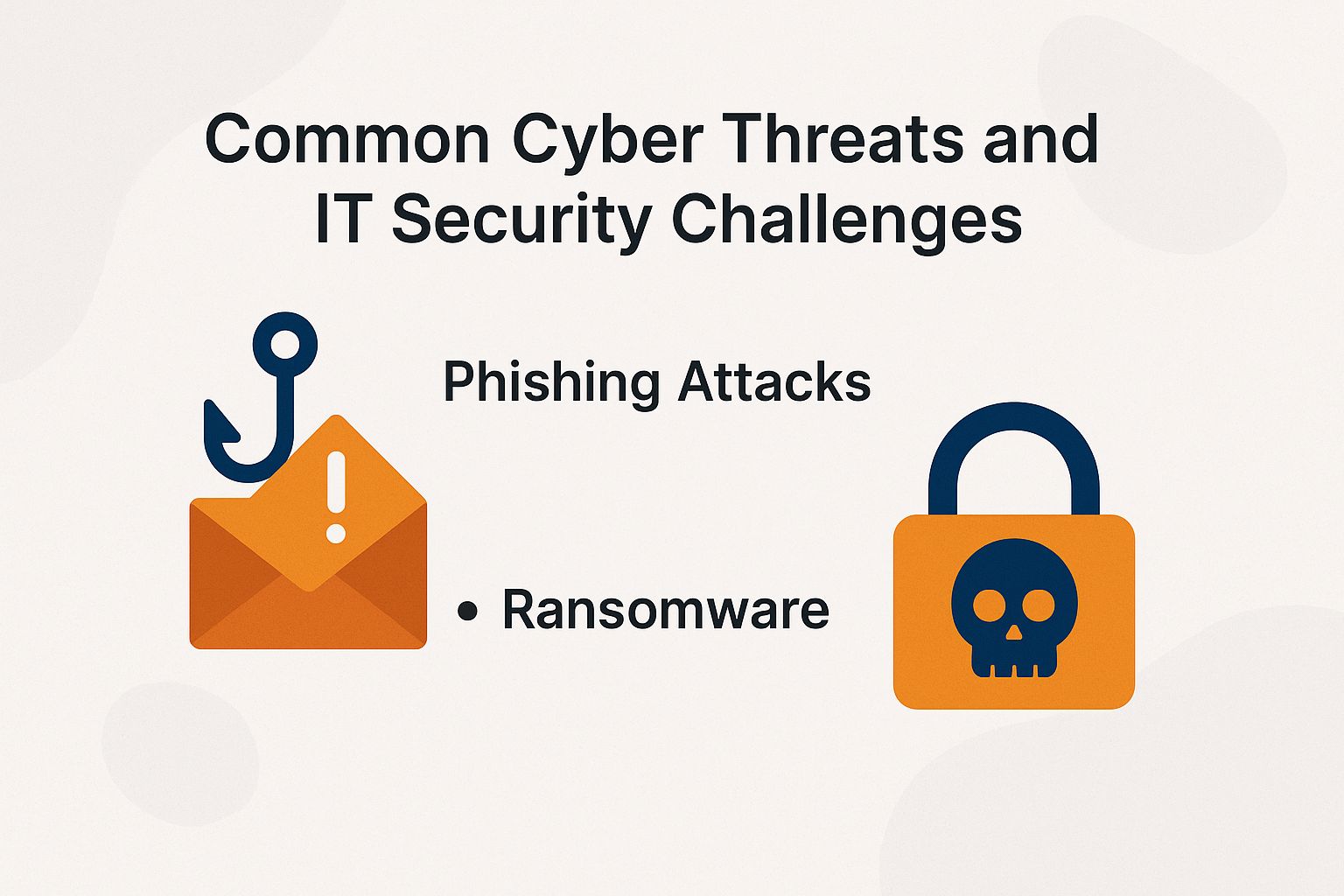
Phishing Attacks
Phishing attacks make up over 80% of security incidents. They exploit human vulnerabilities to access sensitive information. An effective measure is using email filtering solutions like Proofpoint. It costs about $1.50 per user per month and quarantines suspicious emails automatically. Additionally, conducting regular employee training sessions to help staff identify phishing attempts is essential, as a well-informed workforce serves as the first line of defense.
For example, a case study involving a mid-sized firm revealed that after implementing these interventions, they successfully reduced phishing incidents by 70% within six months. By combining technology with increased awareness, organizations can significantly improve their security posture and better protect sensitive information.
Ransomware
A ransomware attack happens every 11 seconds. It often disables organizations until they pay a ransom. To mitigate these risks, it is advisable to implement regular backups using Acronis Cyber Backup, which starts at $69 per year.
Additionally, ensuring that antivirus software, such as Norton 360 priced at $39.99 per year, is consistently updated is essential.
For example, a medium-sized organization successfully thwarted a ransomware threat by conducting daily backups and maintaining preventive measures, ultimately saving thousands of dollars in potential ransom payments.
A comprehensive cybersecurity strategy minimizes risk. It also protects critical data and strengthens business continuity and disaster recovery plans.
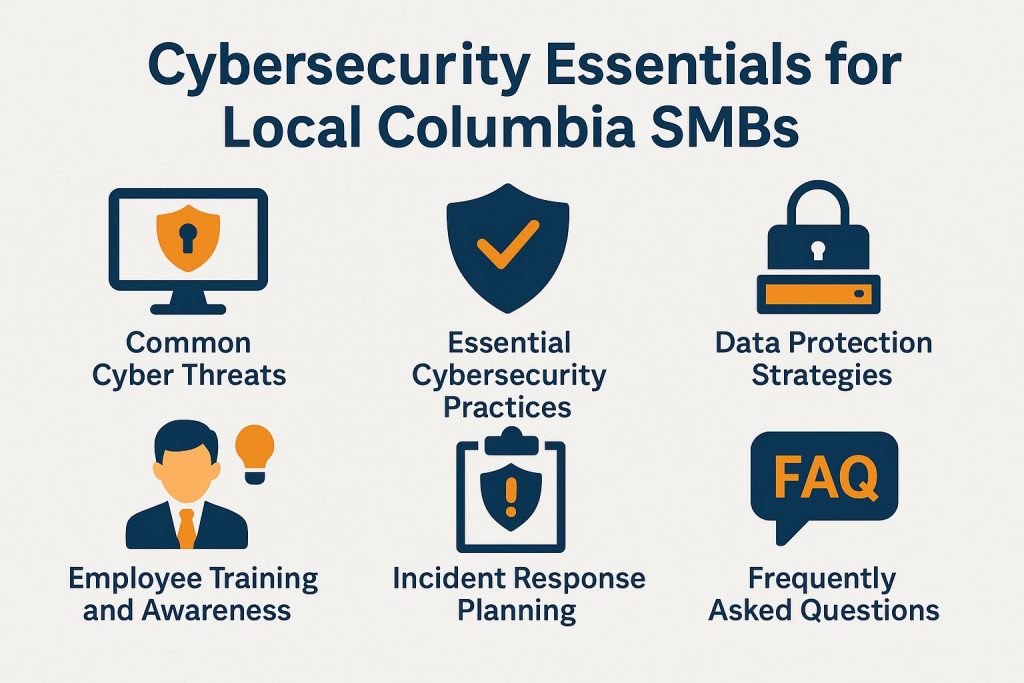
Essential Cybersecurity Practices and Security Measures
Implementing essential cybersecurity practices is crucial for organizations aiming to protect themselves against the ever-evolving landscape of cyber threats. Organizations should train employees to recognize phishing attempts. Research shows that 91% of breaches come from these deceptive emails.
Using tools like KnowBe4 to run simulated phishing tests significantly boosts employee awareness and readiness. Establishing strong password policies is equally important, and utilizing a password manager such as LastPass helps generate and securely store complex passwords. Additionally, implementing multi-factor authentication (MFA) for critical systems adds an essential layer of protection. Regular software updates and vulnerability assessments using tools like Nessus are crucial for identifying and addressing security weaknesses. By adopting these practices, organizations can build a robust security posture that effectively combats modern threats. For more insights, explore Cybersecurity Threats & Solutions for Modern Businesses and consider partnering with trusted cybersecurity services in Columbia to strengthen your defenses.
Data Protection Strategies and Cyber Hygiene Practices
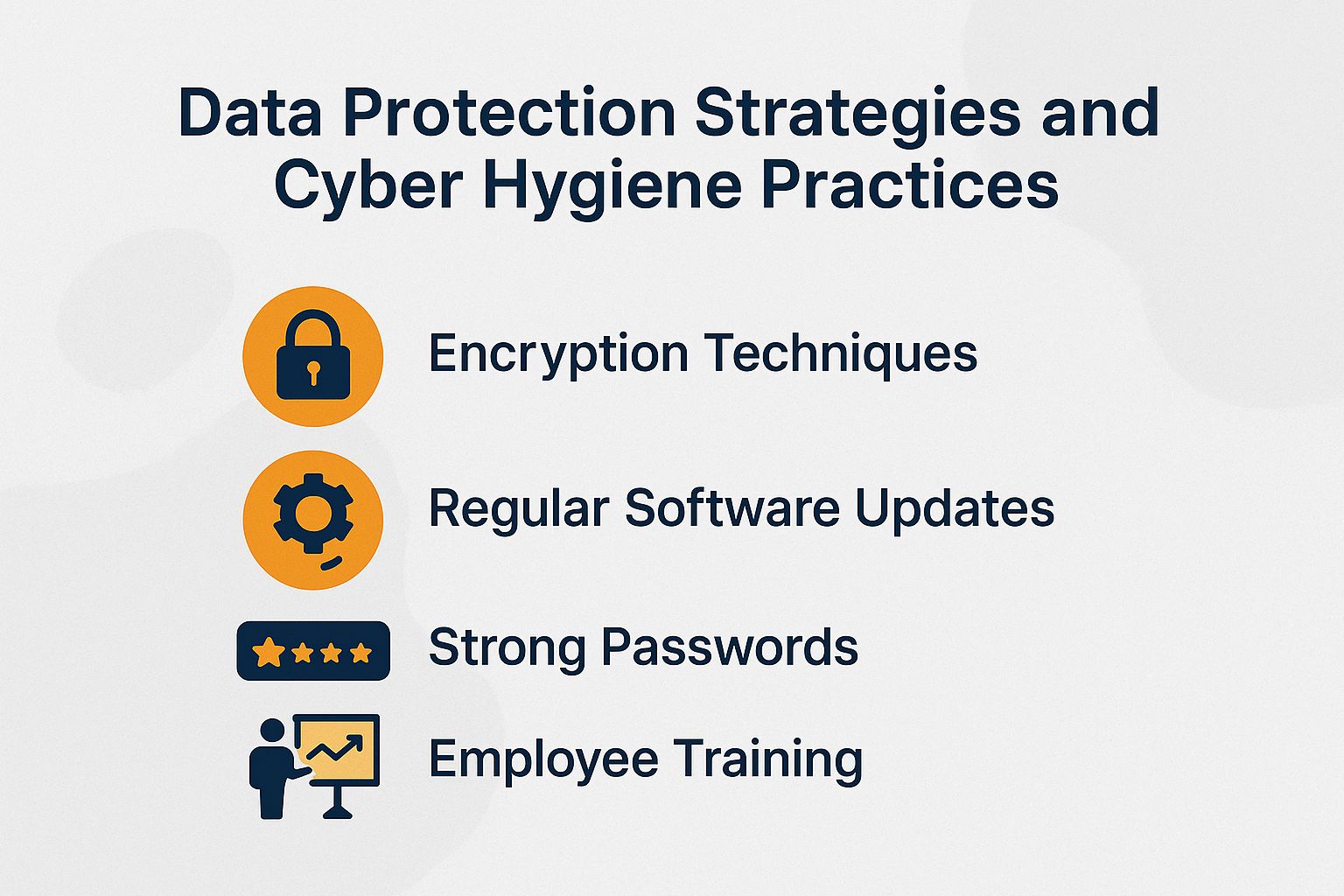
Data protection strategies are essential for organizations to maintain the confidentiality, integrity, and availability of sensitive information.
These strategies help protect against data breaches. They ensure critical information is safe. This highlights the importance of security best practices. Curious about how cloud backup solutions can enhance these strategies? Discover how cloud backup outperforms traditional storage in safeguarding data effectively.
Encryption Techniques
Encryption techniques like AES-256 protect data. They secure data at rest and in transit from unauthorized access. There are two primary types of encryption: symmetric and asymmetric.
Symmetric encryption uses one key for both encryption and decryption. AES-256 is an example. This method is fast and efficient for large data volumes. In contrast, asymmetric encryption uses two keys: public and private. RSA is an example. It is useful for secure exchanges, like email communications.
Recently, a financial institution reduced data breach risks. They used VeraCrypt for local file security and Let’s Encrypt for web traffic encryption. This strategic approach resulted in a significant reduction in vulnerabilities.
Regulatory Compliance and Cyber Laws Adherence
Regulatory compliance in cybersecurity is essential. It helps businesses avoid legal issues and maintain customer trust. To achieve compliance, organizations must begin by identifying relevant regulations, such as the General Data Protection Regulation (GDPR) for data protection in Europe and the Health Insurance Portability and Accountability Act (HIPAA) for health information in the United States.
Regular audits evaluate practices and identify gaps. Tools like TrustArc can help. They cost about $6,000 per year. Additionally, developing a compliance framework tailored to the organization-such as implementing data protection policies and training staff on security protocols-can significantly mitigate risks — whether supporting cybersecurity for construction companies protecting client contract data, managed security for manufacturers meeting quality and supply chain compliance requirements, cybersecurity for professional services firms safeguarding privileged client information, or law firm IT security maintaining strict confidentiality obligations.
For example, a prominent technology company faced $5 million in fines due to inadequate data handling procedures, underscoring the financial implications of non-compliance.
Incident Response Planning
An effective incident response plan is essential. It helps organizations address and reduce the impact of cybersecurity incidents quickly. Key components of this plan should include a dedicated response team, clearly defined roles, and regular drills to ensure the organization remains prepared. Utilizing tools such as PagerDuty ($19/month) can facilitate streamlined incident management, enhancing communication and task assignments.
Organizations should create a checklist to assess preparedness. This checklist should include:
- Identify critical assets
- Establish communication channels
- Define incident severity levels
- Schedule regular training exercises
Regularly reviewing and updating the incident response plan is crucial as threats evolve. It ensures the response team is ready for any incident (our guide on effective IT disaster recovery planning offers strategies for maintaining business resilience).
Frequently Asked Questions
What are the main cybersecurity essentials that Columbia businesses should focus on?
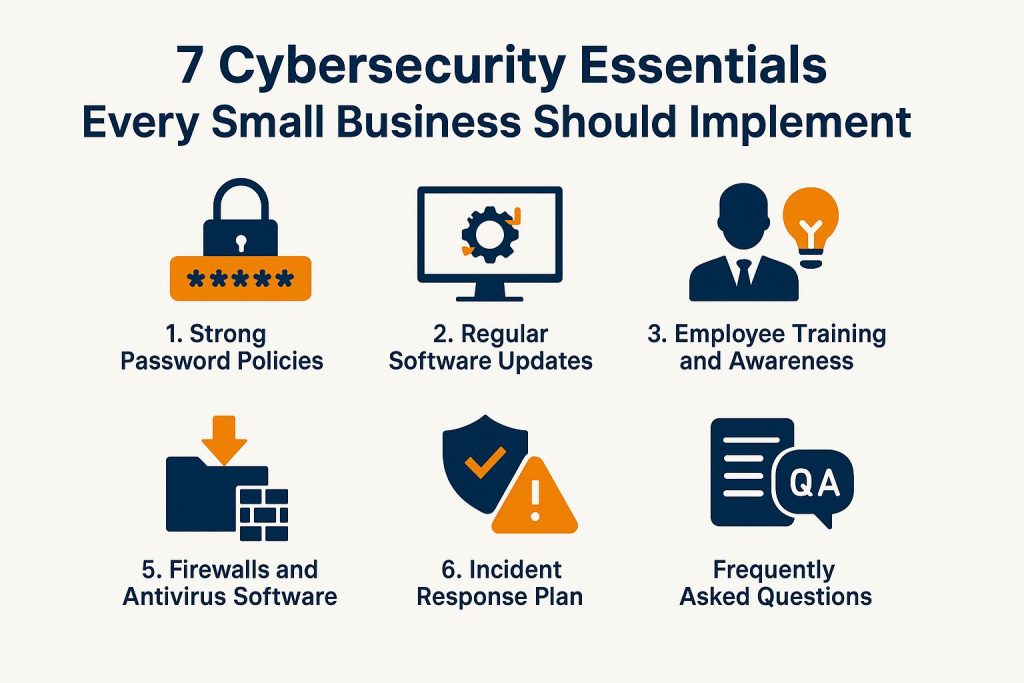
Columbia businesses should focus on these cybersecurity essentials: strong passwords, regular software updates, employee training, data backup, firewall protection, and network security.
Why is having strong passwords important for cybersecurity?
Strong passwords are important. They are hard for hackers to guess or crack. This adds an extra layer of protection for sensitive business information and online accounts.
How often should I update my software to maintain cybersecurity?
Update your software regularly. Do it as soon as updates are available. This helps to fix any vulnerabilities or bugs that could be exploited by cybercriminals.
What should be included in employee training for cybersecurity?
Employee training should cover password security, phishing scams, safe internet practices, and how to identify and report security threats.
Why is data backup essential for cybersecurity?
Data backup is essential. It ensures important business information is not lost during a cyber attack or system failure. This allows businesses to recover and resume operations quickly.
Do small businesses in Columbia need to worry about cybersecurity?
Yes, all businesses in Columbia should prioritize cybersecurity, no matter their size. Cybercriminals often target small businesses because they may have weaker security measures in place, making them an easier target.